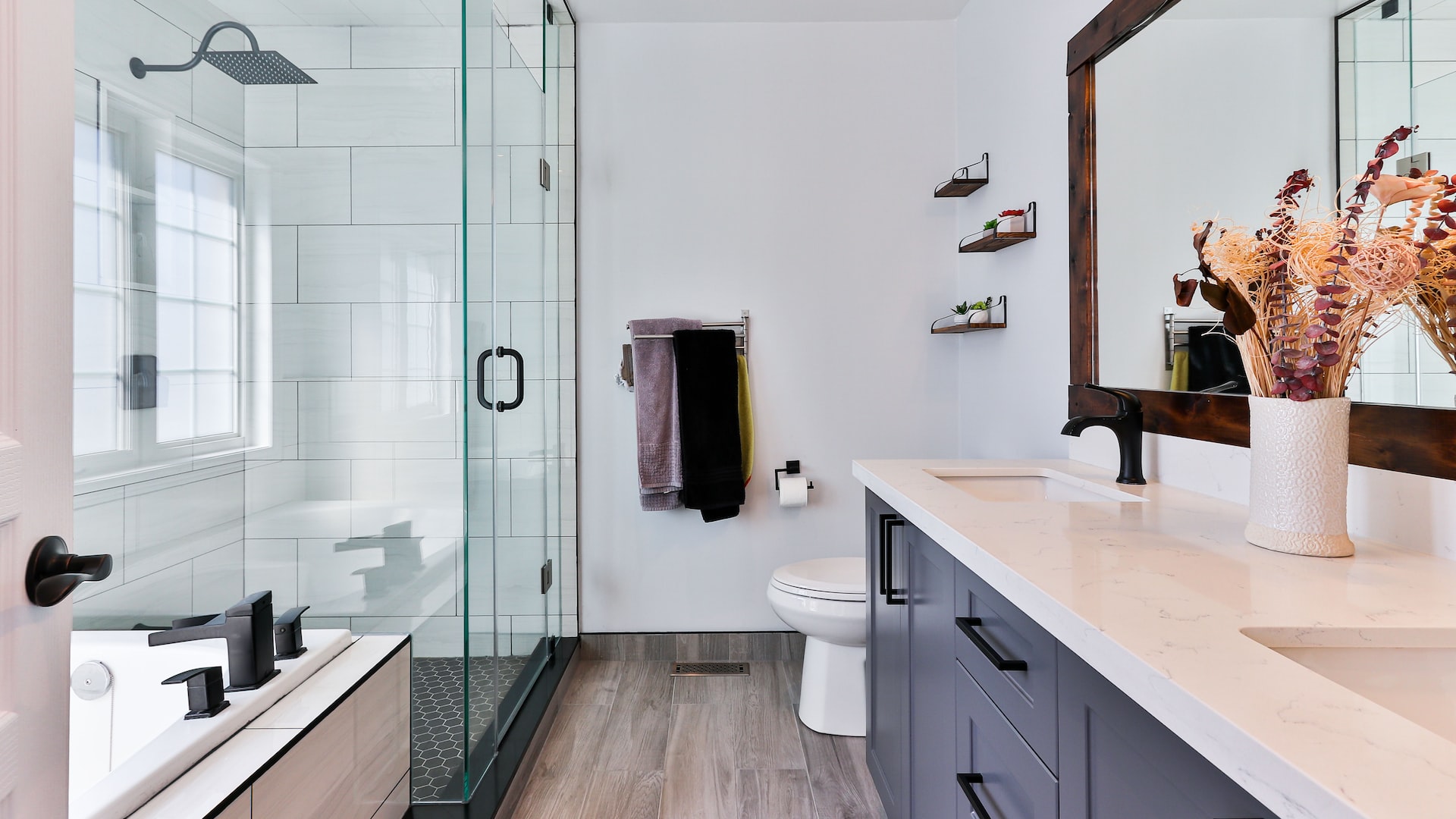
The morning queue outside the bathroom tells you more about your home than a floor plan ever could. Someone needs the shower, someone cannot find a clean towel, and the cupboard door catches on the vanity again. By breakfast, a room designed for everyday convenience has already become the household bottleneck.
A well-planned renovation can change that rhythm. It can turn an awkward shower into a comfortable space, give toiletries a proper home, and replace tired surfaces with finishes that are easier to maintain. For a small business with staff or customer facilities, the same principles apply. A practical, welcoming bathroom contributes to how the whole premises feels.
For homeowners exploring their options, Porirua Bathroom Renos offers bathroom renovation services in Porirua with local expertise. Before choosing tiles or taps, though, it helps to understand what your bathroom actually needs.
Planning a bathroom renovation in Porirua Around Real Life
The most successful bathrooms are not necessarily the largest or most expensive. They are the ones that suit the people using them.
In Porirua, that might mean a family bathroom capable of handling children, visiting relatives, and sandy feet after an afternoon near the coast. It might be a compact ensuite that needs to work harder, or an older bathroom where ventilation and storage have never quite kept pace with daily life.
Start by watching how the room functions over several ordinary days. Which surfaces collect clutter? Where does water escape? Is the lighting helpful when shaving or applying makeup, or does it cast shadows exactly where you need clarity?
Build the Brief Before the Mood Board
A useful renovation brief separates problems from preferences.
Your problems might include a leaking shower, insufficient extraction, slippery flooring, or a vanity with almost no usable storage. Preferences are different. They might involve brushed metal tapware, warmer colours, a freestanding bath, or a particular tile shape.
Both matter, but they should not compete on equal terms when the budget becomes tight.
Write down:
- What must be repaired or replaced.
- What makes the room uncomfortable or inconvenient.
- Who uses the space now.
- Who may need to use it in future.
- Which visual changes would make the biggest difference.
This list gives bathroom builders something more useful than a collection of attractive photographs. It gives them a picture of the life the room needs to support.
Choosing Between a Makeover and a Full Remodel
Not every dated bathroom needs to be stripped back completely. Equally, a fresh coat of paint cannot solve a failing shower system or hidden moisture damage.
The right scope depends on the condition of the room, the suitability of its layout, and the changes you want to achieve.
When a Bathroom Makeover Makes Sense
A bathroom makeover may suit a room with sound underlying construction and a layout that already works. The emphasis is usually on improving its appearance and convenience without rebuilding everything.
Possible updates include replacing a mirror, refreshing suitable painted surfaces, changing accessories, or upgrading storage. A new vanity or fittings may also be worth discussing, although plumbing connections and installation requirements need checking.
The key is knowing what you are keeping. Existing waterproofing, damaged cabinetry, and persistent dampness deserve investigation rather than cosmetic cover-ups.
When a Bathroom Remodel Goes Further
A bathroom remodel becomes more involved when fixtures move, the shower changes size, or the room needs substantial reconstruction.
Complete bathroom renovations may include removing existing fittings and linings, assessing the structure, improving services, installing appropriate wet-area systems, and coordinating new fixtures and finishes.
When comparing full bathroom renovation specialists, ask how each proposed scope addresses the room’s underlying condition. Two quotations can look very different because one allows for necessary preparatory work while the other leaves it unresolved.
Giving the Shower the Attention It Deserves
A shower is often the most heavily used feature in the bathroom. When it is cramped, difficult to clean, or unreliable, the inconvenience returns every single day.
A shower renovation therefore deserves more thought than simply selecting a new enclosure.
Look Beyond the Glass
An attractive shower depends on several less visible decisions. Water needs to drain correctly, surrounding construction needs suitable protection, and fittings need to suit the available water supply.
Questions worth discussing include:
- Is the proposed shower large enough to use comfortably?
- Will the door or screen interfere with nearby fixtures?
- How will water be contained?
- Is there convenient storage for everyday products?
- Can the fittings and surfaces be cleaned without awkward reaching?
A low-threshold or level-entry design may be worth considering for easier access, but feasibility depends on the building and drainage arrangement. Ask for advice before assuming a particular look will work.
Shower renovation is also a good time to review extraction. Moist air should be managed effectively rather than left to settle on windows, ceilings, and cabinetry.
Making a Small Ensuite Feel More Generous
An ensuite renovation presents a different challenge from a family bathroom. The room may be smaller, yet expectations are often higher. It should feel calm, convenient, and closely connected to the bedroom without allowing moisture or noise to become an annoyance.
The temptation is to shrink every fixture. A better approach is to work out which dimensions matter most.
Prioritise Comfortable Movement
A compact vanity may free up valuable floor space, but it still needs enough usable surface for daily essentials. A larger mirror can improve the sense of openness, provided lighting is considered alongside it. Recessed storage can be useful where the wall construction allows.
Door movement also deserves attention. A poorly placed door can make a modest room feel much tighter than it is.
In small bathrooms, consistency helps. A restrained palette and a limited number of finishes often feel more settled than several competing feature materials. That does not mean the room must be plain. A textured tile, a warm timber-look cabinet, or a carefully chosen light can provide character without visual crowding.
Understanding What Happens Behind the Walls
It is easy to spend hours choosing a basin and very little time thinking about the wall behind it. Yet much of a bathroom’s long-term performance depends on work that disappears from view.
Plumbing, electrical installation, ventilation, substrate preparation, and waterproofing all need appropriate attention.
Ask About the Installation Sequence
Bathroom installation is a coordinated process rather than a single task. One stage often needs to be finished, checked, or sufficiently dry before the next can begin.
Depending on the project, the sequence may involve demolition, investigation, repair work, service adjustments, lining preparation, waterproofing, finishing, and fixture installation.
Ask who is responsible for coordinating those stages. Also clarify which appropriately qualified or licensed tradespeople will carry out restricted or specialist work.
Some alterations may require building consent or other approvals. Requirements depend on the specific work, so confirm the position with the project team and, where necessary, Porirua City Council before work begins.
Photographs, product information, warranties, and relevant compliance records are useful to retain after completion.
Setting a Budget That Can Handle Reality
Bathroom budgets are shaped by more than the size of the room. Access, existing damage, fixture choices, layout changes, and the complexity of the installation all play a part.
A small bathroom with substantial plumbing changes can be more demanding than a larger room where everything stays in place.
Compare the Detail Rather Than the Total
When discussing a project with Porirua Bathroom Renos or another provider, request a written scope that makes the inclusions and exclusions clear.
Look for detail on:
- Removal and disposal of existing materials.
- Preparation and any anticipated repair work.
- Plumbing and electrical allowances.
- Waterproofing and surface finishes.
- Fixtures, fittings, and installation.
- The process for approving variations.
Keep a contingency for unexpected discoveries. The appropriate amount depends on the project’s condition and complexity, so discuss it rather than relying on a universal percentage.
It also helps to have a Plan B for daily washing and toilet access. A realistic temporary arrangement can make the construction period considerably less stressful.
Choosing Finishes for Everyday Use
A bathroom should look inviting when it is freshly cleaned, but it also needs to cope between cleans.
Consider how materials behave in ordinary use. Highly reflective surfaces can show water marks. Deep textures may require more cleaning. Very small tiles introduce more grout lines, while larger formats can bring their own layout and installation considerations.
Balance Appearance With Maintenance
Ask about slip resistance, cleaning instructions, product suitability, and the availability of replacement parts.
Storage deserves the same practical scrutiny. Deep drawers may be more useful than a large cupboard where everything disappears at the back. A place for spare toilet rolls is helpful; a dry, accessible place for cleaning products is better still.
For small business premises, durability and straightforward maintenance may take priority over decorative detail. Depending on the premises and proposed changes, accessibility and other regulatory requirements may also need specialist advice.
The strongest design choices are those you will appreciate on an ordinary Tuesday, not just in the completion photographs.
Frequently Asked Questions
How Long Do Bathroom Renovations Take?
There is no reliable single timeframe for every project. A cosmetic refresh differs considerably from a full strip-out involving repairs, service changes, and tiled wet areas. Ask for an estimated programme that accounts for product availability, inspections where required, and necessary drying or curing periods.
Is Keeping the Existing Layout Usually Simpler?
Often, yes. Retaining fixture positions can reduce the amount of service alteration required. However, keeping an impractical layout solely to avoid change may leave the main problem unresolved. Compare the cost and benefit of each option.
Can New Tiles Fix a Leaking Shower?
New tiles alone should not be treated as a solution to a leak. The source needs to be identified, and the underlying construction and waterproofing may require attention. Surface appearance is not a reliable guide to what is happening beneath it.
What Should I Prepare Before Contacting a Renovation Company?
Gather approximate room dimensions, photographs, a list of problems, your preferred timing, and an indicative budget. Note which features you want to retain. These details help make an initial conversation more productive, although a proper assessment may still be needed.
How Do I Choose Between Different Proposals?
Compare the scope, product allowances, communication arrangements, variation process, and relevant experience. Ask questions about anything unclear. A detailed proposal is easier to evaluate than a low headline price with important work left unspecified.
Make Your Next Morning Work Better
A good bathroom renovation starts with attention rather than shopping. Notice the awkward corners, the missing storage, the lingering moisture, and the small frustrations that repeat each day. Those observations are the foundations of a useful brief.
Whether you are considering a modest bathroom makeover, a focused shower upgrade, or a complete rebuild, give the unseen work as much consideration as the visible finishes.
For your next step, contact Porirua Bathroom Renos to discuss your priorities and ask how a proposed scope could address them. With clear expectations, careful assessment, and practical choices, a tired bathroom can become a room that makes everyday life noticeably easier.